Education Options for Children Who Struggle to Access School: Local and Online Pathways Across Leicestershire & Northamptonshire
- taniaslt
- Nov 26, 2025
- 5 min read
For many autistic, ADHD, or otherwise neurodivergent children, attending a mainstream school every day can be emotionally, sensory, or socially overwhelming. Families often feel unsure of what alternatives exist or how to access suitable education that meets their child’s needs.
This guide summarises local options, online learning pathways, specialist schools, and flexible support models across Leicestershire, Northamptonshire, and nearby areas. It is designed to help parents, carers, and professionals understand what is available when a child is struggling to attend school or requires a more neuroaffirming educational environment.
Why Some Children Struggle to Access School
Children may experience difficulties attending school for a range of reasons, including:
Sensory overload (e.g., noise, crowds, bright lights)
Social anxiety or situational mutism
Executive functioning challenges
Emotional regulation differences
Bullying or previous negative school experiences
Demand avoidance or burnout
Co-occurring needs such as dyslexia, dyspraxia, or mental health difficulties
A growing number of children are also on reduced timetables, emotionally-based school avoidance (EBSA) plans, or awaiting autism/ADHD assessments.
1. Local Specialist Schools for Neurodiversity
Below are examples of specialist provisions across Leicestershire and Northamptonshire that support autistic, ADHD and neurodivergent learners. (List can be extended if needed.)
Leicestershire
1) Birch Wood School (Melton Mowbray)
A specialist school for children aged 4–19 with autism, communication differences, learning needs, and sensory processing differences. Focus: nurturing, structured environment, individualised learning.

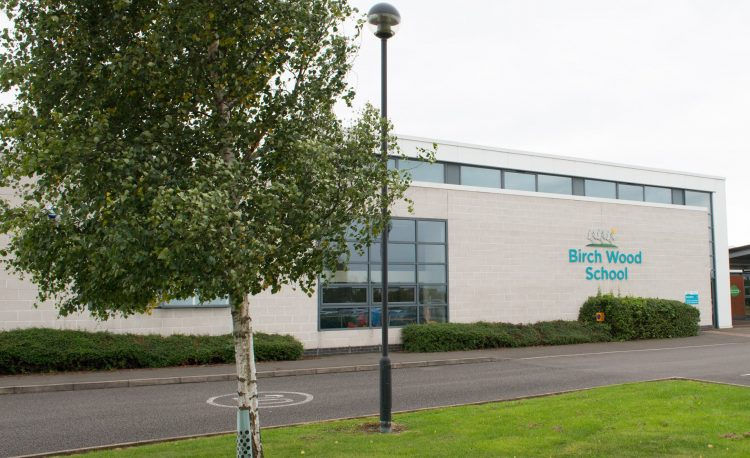
This specialist setting supports children with autism, communication differences and sensory processing needs. Including visuals helps families see the environment and atmosphere.
2) The Fusion Academy (Hinckley)
An autism-specialist school for young people aged 9–19.Focus: highly structured, low-arousal environment; strong emphasis on emotional regulation, sensory needs, and visual supports.
3) Brooke House Day School (Cosby)
Independent specialist provision for pupils with ASC, ADHD, anxiety and SEMH needs. Focus: small class sizes, therapeutic support, flexible curriculum.
4) Oakfield Short Stay School (Leicester)
Supports pupils experiencing school anxiety, EBSA, or behavioural/emotional needs. Focus: reintegration, small groups, highly individualised emotional support.
5) The Menphys Hub (Wigston)
Supports children with SEND with part-time alternative provision and enrichment. Focus: sensory-friendly, holistic environment.
Northamptonshire
1) Isebrook School (Kettering)
Supports pupils aged 11–18 with cognitive, learning and communication differences, including autism. Focus: life skills, independence, structured support.
2) The Gateway School (Tiffield)
Independent day school for children with autism, ADHD, anxiety and SEMH needs. Focus: therapeutic education, small class sizes, multi-disciplinary support.
3) Cambian Northampton School
Supports young people with autism, communication needs, associated learning differences, and high anxiety. Focus: specialist ASC curriculum, sensory and emotional regulation.
4) Creating Tomorrow College (Daventry & Corby)
For post-16 autistic and neurodivergent learners. Focus: functional skills, independence, strengths-focused pathways.
Leicestershire & Surrounding Region – Additional Specialist Option
Lake Haven School (Nuneaton, Warwickshire)
Although based in Warwickshire, Lake Haven School serves children with special educational needs across the wider region and may be considered by families in Leicestershire and neighbouring counties when local provision is not accessible. The school caters for boys and girls aged 7–16, with a primary focus on pupils who have an EHCP and autism or associated communication/interaction needs. Ofsted+2lakehavenschool.co.uk+2 Set in a rural, low-arousal setting with an emphasis on nature and nurture (“a place of nature, nurture and somewhere we can all belong”), the environment is designed to reduce sensory overload and support emotional regulation. lakehavenschool.co.uk The school’s recent inspection found that it is “likely to meet the relevant independent school standards” in relation to a proposed change in age range, and noted strong safeguarding, individualised planning and curriculum development. Ofsted+1 Families considering Lake Haven should note:
It is an independent (special) day school. Ofsted Reports+1
Admission would generally be via local authority placement and EHCP process.
Travel logistics and placement costs may differ from mainstream schools.
A visit and detailed discussion of fit with the child’s sensory, social and emotional profile are strongly recommended.

Lake Haven logo

2. Online Schools & Remote Learning Options
For some autistic and neurodivergent children, remote education is more accessible, particularly if they experience sensory overload or severe anxiety in physical school environments.
Below are reputable online learning providers used by families locally:
1) Wey Education / InterHigh
A fully online school offering GCSEs, A-levels, and flexible timetables. Benefits:
Low-pressure learning environment
Recorded lessons for processing time
Suitable for EBSA and autistic learners
2) The National College (Online Learning for Parents & Schools)
Not a school, but provides structured online courses that support home learning and school reintegration.
3) King’s InterHigh (now My Online Schooling UK)
One of the leading online schools for autistic and anxious learners. Benefits: small class sizes, structured lessons, predictable routines.
4) Wolsey Hall Oxford
Home-education programme offering primary, secondary and GCSE courses. Benefits: self-paced, academic tutor support, ideal for children needing flexibility.
5) Nisai Virtual Academy
A DfE-approved online learning provider with SEND-focused pathways. Works directly with schools and Local Authorities for children who cannot attend in person.
3. Local Alternative Provision & Hybrid Models
Some families prefer a mixed approach, combining part-time school attendance with specialist or therapeutic support.
Options include:
SEND-focused alternative provision (small groups, sensory-friendly classrooms)
Forest School or outdoor-based programmes
Therapeutic provisions (e.g., equine therapy, nurture groups)
Hospital/home tuition services (LA-funded when medical needs prevent attendance)
Part-time timetables with structured reintegration plans
Schools can request involvement from:
Local Authority EBSA teams
Education Inclusion services
Autism Outreach (Leicestershire)
Educational Psychologists
4. How Families Can Access These Options
If your child struggles to attend school, steps include:
Request a meeting with the SENCo to discuss attendance, anxiety, and needs.
Ask for an EBSA plan or personalised attendance plan.
Request reasonable adjustments, such as:
Quiet spaces
Sensory breaks
Reduced transitions
Flexible start times
Access to a key adult
Ask the school to refer to Autism Outreach or Specialist Teaching Services.
Consider requesting an EHCP assessment, especially if support is inconsistent or needs are high.
Explore online or hybrid learning options if medical or emotional needs prevent attendance.
Contact the Local Authority regarding alternative provision or home tutoring.
5. How CADS Can Support Families
CADS provides multi-disciplinary autism and ADHD assessments that give clear clinical evidence to support:
EHCP applications
Requests for additional school support
Referrals to specialist schools
Recommendations for sensory and emotional regulation
Support for EBSA and school anxiety
Guidance on transitions and school placement changes
We also offer:
Consultation for schools
Parent support sessions
Professional recommendations tailored to the child’s profile
Conclusion
Every child deserves an educational environment that is safe, accessible, and affirming. For neurodivergent learners, this may look different from traditional full-time attendance. Local specialist schools, online education pathways, hybrid models, and therapeutic provisions offer a wide range of alternatives for families across Leicestershire and Northamptonshire.
If you would like personalised advice or a clinical assessment to support decision-making around education, CADS is here to help.


Comments